Lauryn Hill
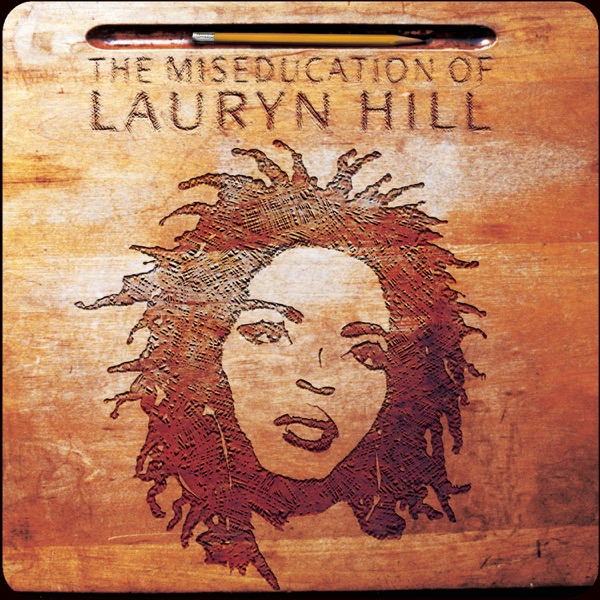
The Miseducation of Lauryn Hill
Lauryn Hill's solo debut turns life lessons into a conversation between rap, soul, reggae and faith. Emerging after the Fugees' breakthrough, it explores love in several forms, with classroom interludes linking the songs to a larger question: what does experience actually teach us?
Album essentials
- U.S. release
- 25 August 1998 1
- Original labels
- Ruffhouse / Columbia 5
- Key producers
- Lauryn Hill, Che Pope and Vada Nobles 5
- Notable singles
- Doo Wop (That Thing); Ex-Factor; Everything Is Everything 5
- Recording setting
- Sessions in New York and New Jersey, with much of the album recorded at Tuff Gong in Kingston, Jamaica 1 5
- Featured collaborators
- Carlos Santana, Mary J. Blige and D'Angelo; additional contributions from the New Ark musicians 1
An education outside the classroom
The Miseducation of Lauryn Hill arrived after the Fugees had made Hill internationally familiar as both a rapper and a singer. Her solo record drew on a more personal crossroads: changes within the group, heartbreak and new motherhood. The title did not mean that formal education was worthless. In a 2000 Academy of Achievement interview, Hill explained that she was thinking about knowledge gained through living, especially lessons that contradicted what the world had told her to expect. 2
She also described needing distance before she could turn emotional turmoil into songs. Once she could look back, she was able to narrate what had happened. That distinction is a useful key to the album: its confessional quality comes with reflection. The songs are not simply diary entries; they are experiences being examined, argued with and reshaped into something another person might recognise. 2
A personal vision made with a team
Hill assembled musicians including Vada Nobles, Tejumold Newton, Johari Newton and Kilo Rasheem Pugh, collectively known as New Ark. Carlos Santana, Mary J. Blige and D'Angelo also contributed. Much of the album was recorded at Tuff Gong in Kingston, giving its reggae connections a physical setting as well as a musical one. 1
In her Academy of Achievement interview, Hill herself stressed the importance of that team: musicians, engineers and production assistants helped her realise the ideas she brought into the room. Berklee's retrospective offers another close-up through guitarist Arun Pandian, who remembered an intense audition and lengthy work with Hill on Tell Him. Such accounts ground a monumental record in the practical work of listening, rehearsal and getting the performance right. 2 3
Love becomes a whole curriculum
Berklee's discussion highlights how the album moves between the combative energy of Lost Ones, the soul and hip-hop connection in Doo Wop (That Thing), and the many forms of love running through the writing. Singing, harmony and rapping function as complementary ways to tell the story. The emotional scope includes devotion, betrayal and tenderness, allowing Hill's musical range to serve the subject rather than interrupt it. 3
The classroom passages make that larger design audible. Ras Baraka led children's discussions of love, recorded in Hill's living room, which become a recurring thread between songs. Beyond romance, Everything Is Everything addresses growing up amid disadvantage, while Every Ghetto, Every City looks back towards her upbringing. The album's title therefore reaches beyond one failed relationship: these are lessons in identity, community and learning how to live with what experience reveals. 1 4
Sources & reading
- Library of Congress — Paula Mejia's album essay
- Academy of Achievement — Lauryn Hill interview, June 2000
- Berklee — The Miseducation of Lauryn Hill Turns 25
- Apple Music — album editorial notes
- Wikipedia — album credits and singles reference
Essentials describe the original album release. Artwork and listening links may show a later edition; they do not identify Wayne’s own CD pressing.
Researched feature · Updated


