Janet Jackson
The Velvet Rope
The Velvet Rope turns a major pop star’s private questions into an adventurous R&B album. Janet Jackson, Jimmy Jam and Terry Lewis built music around unusually personal writing, connecting longing, grief, desire and belonging without losing the impulse to move.
Album essentials
The words came first
For The Velvet Rope, Janet Jackson and her longtime collaborators changed the way they built an album. Jimmy Jam told The Boombox that earlier projects generally began with tracks that helped guide the lyrics. Here, Jackson arrived with substantial writing already in place, so the music had to respond to the words. The songs became settings for ideas she had been carrying. Jam also recalled a process that allowed conversation, listening and time away from the microphone. Work continued when Jackson was absent, and the team returned to it when she was ready. His account describes an unusually flexible environment, one in which personal material could determine the pace and shape of the sessions. 2
Private questions, public empathy
At the time of release, Jackson described the album as her most personal work. In a 1997 press conversation reported by Michael Saunders, she spoke openly about difficult feelings she had pushed aside and the challenge of confronting them while recording. That context helps connect the album’s inward-looking moments to its wider concerns. “What About” addresses domestic violence, while “Free Xone” rejects homophobia; the emotional world is larger than one person’s romantic life. “Together Again” places remembrance and connection within an uplifting musical setting. The record asks listeners to consider belonging from several directions: how people regard themselves, how they treat a partner and whose love is welcomed or excluded. Its invitation to intimacy therefore carries an outward-looking purpose. It makes space for listeners whose experiences were not always addressed so directly on a major pop release. 3 1
A connected listening experience
The musical details continually widen that invitation. “Got ’Til It’s Gone” brings Q-Tip together with a sample of Joni Mitchell’s “Big Yellow Taxi,” giving the album a Canadian songwriting connection as well as a hip-hop presence. Elsewhere, the record draws on Mike Oldfield, War and Diana Ross, while “Empty” explores connection through technology. These sources and themes are woven into an album whose transitions matter. Jam explained that the interludes were intended to help one stage lead into another and to let listeners hear something of Jackson’s personality between the heavier subjects. “Speaker Phone,” he recalled, began with an actual conversation captured in the studio. The result is worth hearing in sequence: the interruptions and shifts in tone belong to the experience. Jackson later described the vulnerability of being so candid, underscoring how much personal risk sat inside this richly constructed music. 1 2 4
Sources & reading
- Apple Music — release information and album editorial
- The Boombox — Jimmy Jam on making The Velvet Rope
- The Spokesman-Review / Boston Globe — Janet Jackson’s 1997 comments
- uDiscover Music — album history and Janet Jackson interview recollection
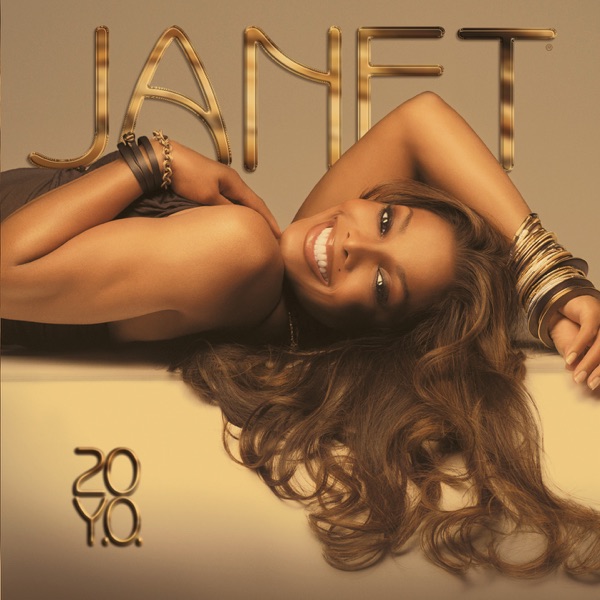
Essentials describe the original album release. Artwork and listening links may show a later edition; they do not identify Wayne’s own CD pressing.
Researched feature · Updated