Boyz II Men
II
II brought Boyz II Men’s vocal blend into a larger, more polished setting without losing the shared identity behind it. Its familiar ballads sit alongside a revealing studio story: new writing partnerships, a deliberate search for focus and four singers learning how much their harmonies could carry.
Album essentials
- Original release
- 30 August 1994 2
- Original label
- Motown 2
- Key producers
- Tim & Bob; Babyface; Jimmy Jam & Terry Lewis 2
- Style
- Contemporary R&B and romantic vocal-group soul 3
- Notable singles
- I’ll Make Love to You; On Bended Knee; Water Runs Dry; Thank You 2
- Recording locations
- Including Granny’s House in Reno and Flyte Tyme in Minnesota 3
Success raised the stakes
Boyz II Men approached II with both confidence and pressure. Their debut had made them recognisable around the world, and “End of the Road” had raised expectations again. In the Recording Academy’s anniversary interview, Nathan Morris remembered feeling stronger as a writer and producer, while Wanya Morris recalled how hectic the period had become. The answer was practical: return to writing songs and making demos. For all the scale of the eventual release, its beginnings were still rooted in the everyday work of a vocal group. 1
Finding the songs—and the space
A crucial connection was Wanya’s work with Tim & Bob on an Another Bad Creation session. He spent time writing and recording with the duo in Atlanta, then brought the material to the other members and their A&R team. That relationship became a major foundation of II. Babyface supplied “I’ll Make Love to You” and “Water Runs Dry,” while Jimmy Jam and Terry Lewis worked with the group on “On Bended Knee” and “All Around the World.” The collaborators expanded an existing identity rather than supplying one from scratch. 1
Location mattered, too. Classic Motown records that some sessions took place at Granny’s House in Reno after the group found hometown recording too distracting. Shawn Stockman explained that family and friends made concentration difficult in Philadelphia. Other work took place at Jam and Lewis’ Flyte Tyme facilities in Minnesota. That choice says something useful about this seemingly luxurious music: behind the unhurried performances was a deliberate effort to create the conditions for focused work. 3
More than a run of love songs
The ballads became the public face of the record, but there is a more complicated emotional arc underneath. “Khalil (Interlude)” honours road manager Khalil Roundtree, who was killed while the group was touring with MC Hammer. Its presence puts friendship and loss beside the romantic material. Listening to the album in sequence restores that context, which is easy to miss when its best-known songs circulate independently as wedding favourites or radio staples. 2
The scale of the reception followed the craft. II won the first GRAMMY ever awarded in the Best R&B Album category; “I’ll Make Love to You” also won for the group’s vocal performance. UMe’s retrospective notes that the album reached the top five in Canada as well as finding audiences across several other markets. Its significance is not confined to a single hit: the record demonstrated how harmony, disciplined performances and carefully matched songwriting could make a vocal group sound intimate on a blockbuster scale. 2
Sources & reading
- Recording Academy — Wanya Morris and Nathan Morris interview
- UMe — official anniversary release history
- Classic Motown — recording locations and background
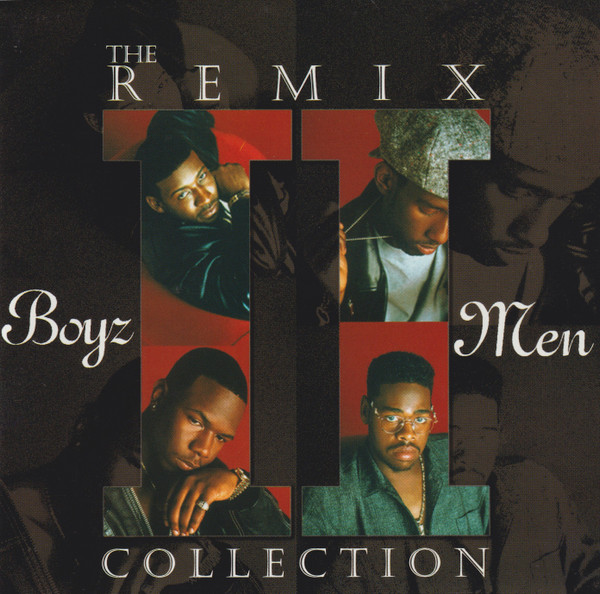
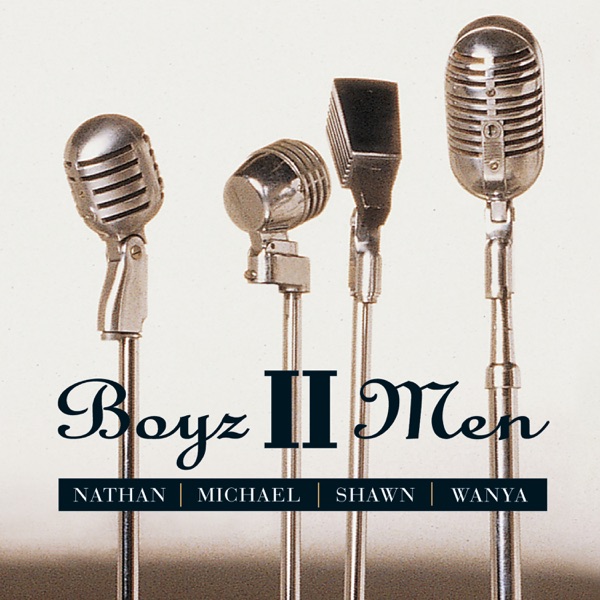
Essentials describe the original album release. Artwork and listening links may show a later edition; they do not identify Wayne’s own CD pressing.
Researched feature · Updated