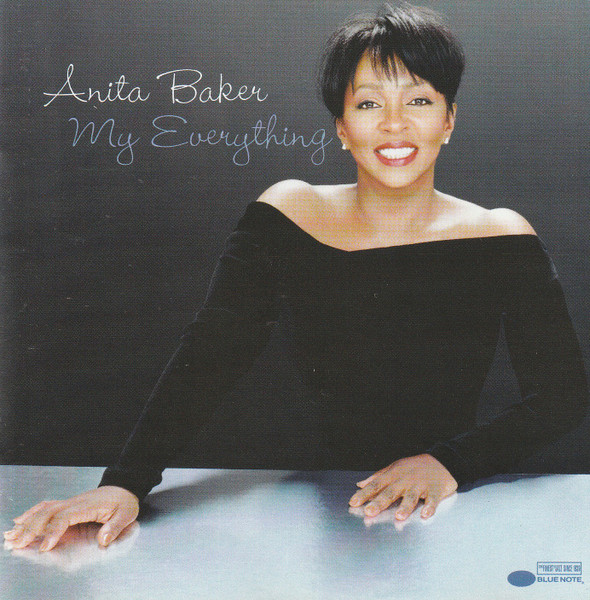
Anita Baker
Rapture
Rapture made Anita Baker's patient, jazz-touched soul feel like the centre of the musical universe. Behind its eight songs was an artist who had already paid her dues, a producer she knew from her band days and an insistence that a song had to mean something before she could sing it.
Album essentials
The breakthrough that took time
Rapture can sound so assured that it is easy to mistake it for the arrival of an overnight sensation. Baker had already sung with Detroit's Chapter 8 and released The Songstress in 1983. That first solo record attracted listeners and helped open the door to Elektra, but Rapture was the moment her audience expanded dramatically. The partnership behind it was rooted in experience: producer Michael J. Powell had been her bandmate in Chapter 8. Working together in 1985, they built an eight-song record around a voice that could carry its own weight without a crowded arrangement. The March 1986 release began a gradual climb rather than an instant explosion. Its success grew as listeners discovered a singer whose blend of soul, jazz and pop was fully formed before the wider spotlight reached her. 1
A big voice with room around it
The album's appeal is concentrated rather than sprawling. Eight songs leave little distance between the familiar entrances of Sweet Love and Caught Up in the Rapture and the rest of Baker's musical world. Sweet Love balances a firm piano-and-bass foundation with her substantial vocal presence; Caught Up in the Rapture gives that presence an even softer setting. These are useful listening contrasts: the voice stays recognisably hers while the surroundings change the temperature. Rhino identifies Rapture as a defining quiet-storm record, and its mingling of jazz phrasing, soul feeling and accessible melodies explains that description. The production does not need to compete with the singer. It creates space for the small changes in emphasis that make a romantic lyric feel intimate, even when the performance itself is powerful. That balance makes the album equally rewarding as a sequence of songs and as a sustained mood. 2 4
The song had to move her first
Baker's own explanation of the breakthrough was refreshingly practical. Speaking to David Nathan in 1987, she said she chose material according to whether it touched her emotionally, applying that test even to songs she wrote herself. She had expected Rapture to do reasonably well; instead, she found it reaching children, couples, single listeners and older audiences. The jazz-oriented Been So Long offered another clue to the artist behind the hits. Nathan reported that it was receiving airplay without being a single, and Baker described that kind of singing as especially comfortable territory. Those comments make the album worth hearing beyond its best-known choruses. Its crossover happened without removing the musical instincts that mattered to her. The sincerity was part of the design, and the audience kept getting bigger around it. 3
Sources & reading
- Rhino — March 1986: Anita Baker Releases Rapture
- Rhino — Rapture album retrospective
- David Nathan / SoulMusic — Anita Baker's 1987 interview
- Apple Music — Rapture album metadata and listening notes
- Berklee — Michael J. Powell on producing and recording
Essentials describe the original album release. Artwork and listening links may show a later edition; they do not identify Wayne’s own CD pressing.
Researched feature · Updated